
Synopsis
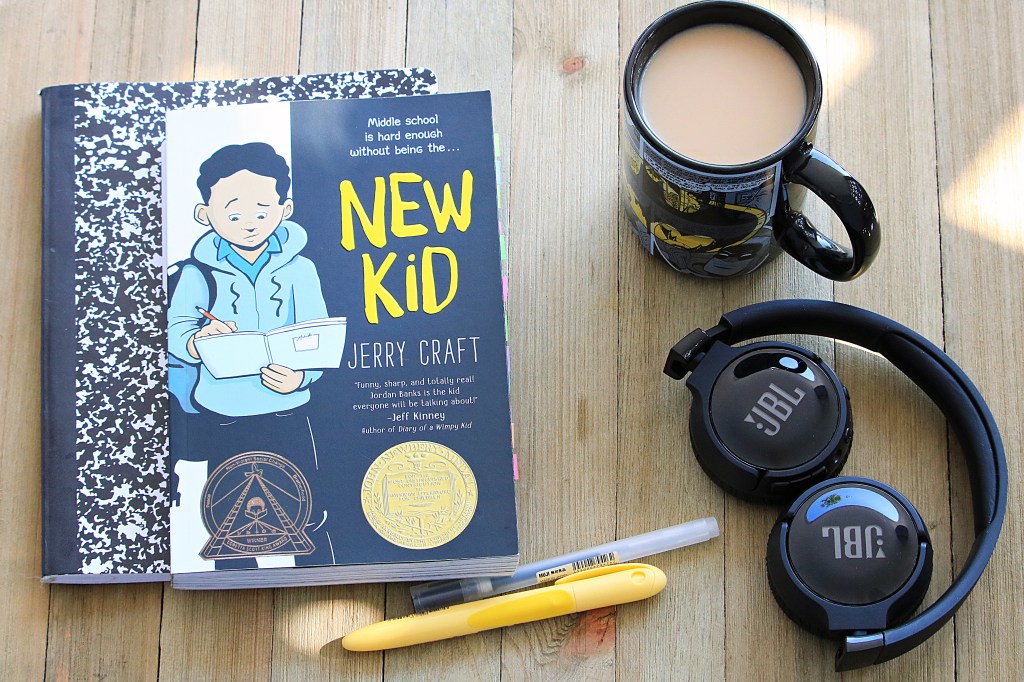
12-year-old Jordan Banks is the new kid at Riverdale Academy Day School. Instead of starting his seventh grade year at the art school of his dreams, his parents enrolled him in one of the most prestigious private schools in his state. On his first day of school, however, Jordan immediately recognized that there weren’t many students in his grade that looked like him, and the handful that did, share nothing in common with him. Unable to connect with his predominantly all-white fellow classmates, Jordan navigates being subjected to microaggressions, by expressing his frustration through his art: his graphic novel.
I can’t say I am a big fan of graphic novels, but lately I’ve, been exposing myself to other genres, which has helped me to have a deeper and richer appreciation for the categories I am familiar with. Yet, I can’t remember when I came across a graphic novel that explored the day-to-day experiences of young black children in America. Jerry Craft gifted his readers, New Kid, where he explains in a simplistic way that oftentimes, racism is the result of a lack of knowledge which then corrupts one’s perspective of the people around them. Jordan is only 12 years old, yet he’s constantly being subjected to microaggressions by both students and staff at his private school. Instead of retaliating, Jordan draws out his frustration in his journal. Although his drawings are laugh-out-loud hilarious, Craft enters a space where he advocates the importance of understanding what makes us different and embracing it.
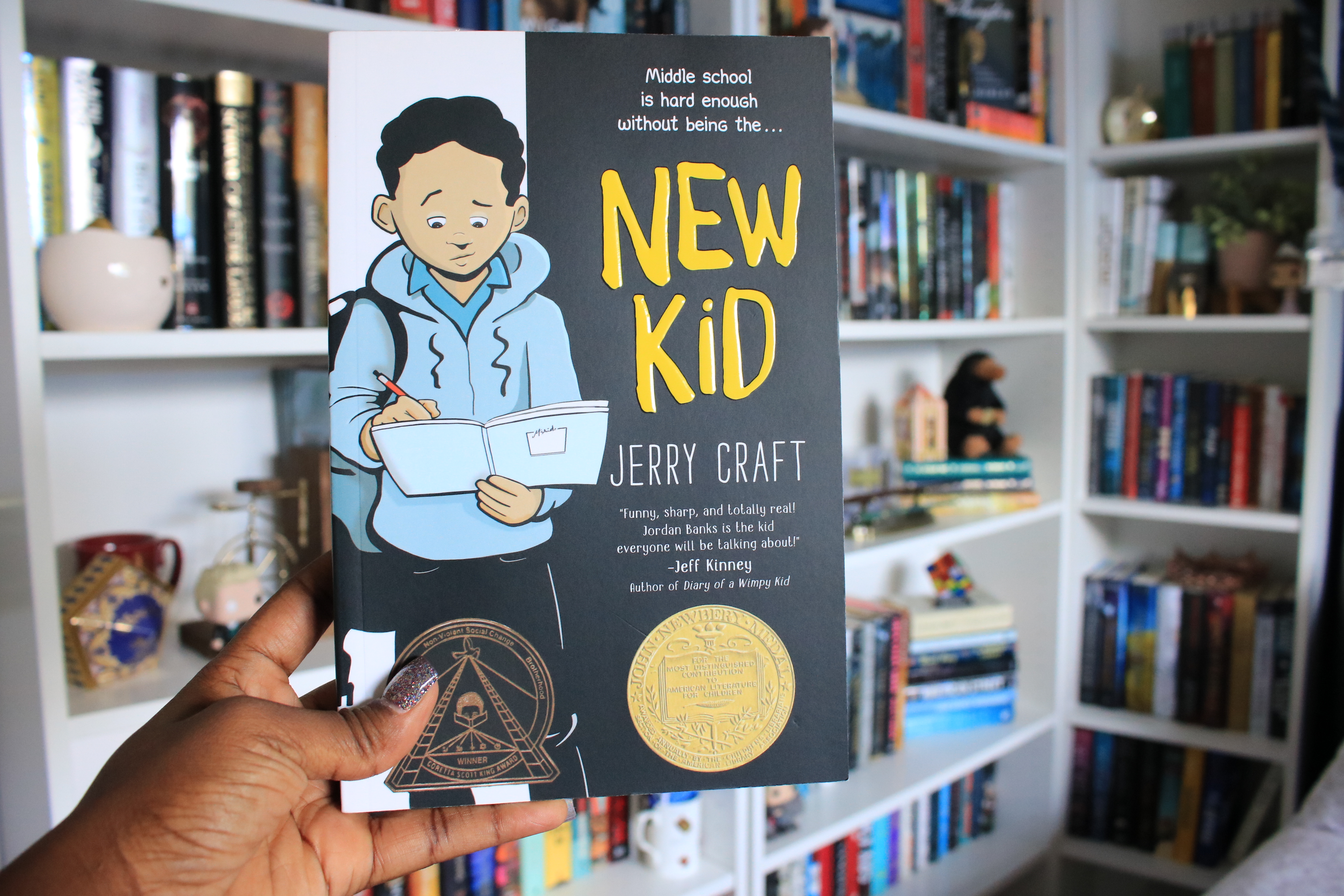
Embracing our differences wasn’t the only message shared in this amusing comic book. Craft also highlights the severity of jumping to conclusions. Now, I know what you’re thinking. The action of “not jumping to conclusions” is something we all know how to do. But what if it involves a racist incident? Jordan witnessed one of the few black students in his grade quickly jump to a negative conclusion about a gift he received, and witnessed how this student’s anger went unchecked. Craft could have easily left this entire portion out of his book but the fact that he didn’t was awe-inspiring. Here’s what I mean, Craft once again stresses the point that we should never allow what we think or assume to be used as the truth no matter how ugly the situation may appear. When doing so, we exert unnecessary anger for something we aren’t fully sure is true. This lesson is extremely vital today, given the fragile relationship between law enforcement and African Americans.
All in all, this book was captivating and honest. It confronts some uncomfortable situations that most Americans, young or old, find themselves in; but most importantly, it helps begin conversations with youth on how to address such situations. This book is for everyone!
Happy Reading, friends!






 sophiesbooks.com